Source Eco Friendly Scent Card for Car, Office, Home
Compare 30 eco friendly scent card options from verified suppliers. Buyers can evaluate materials like EVA and cotton paper, active ingredient content, and customization features for car, office, and home use; compare the available evidence and request quotations based on your requirements.
Key considerations
Products List
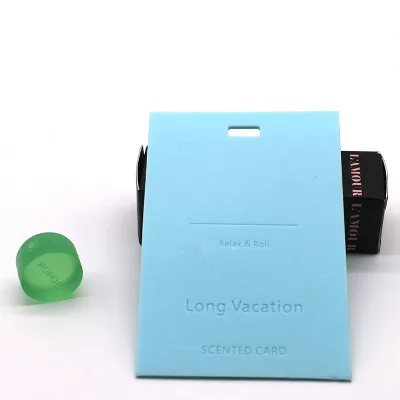

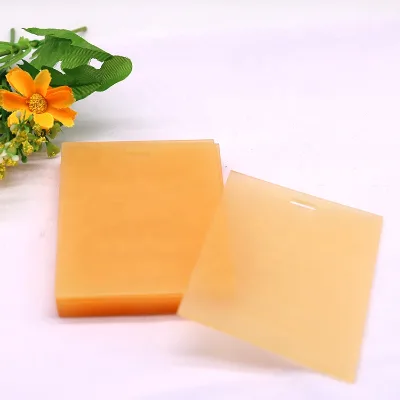




Comprehensive Sourcing Guide
Eco Friendly Scent Card Sourcing Guide
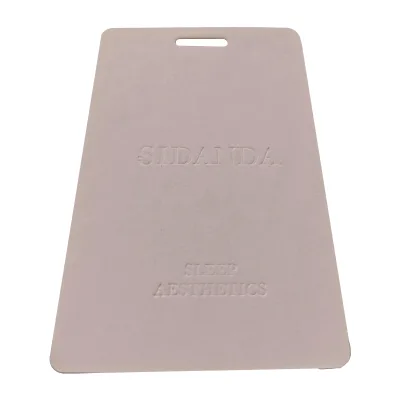
Sourcing eco-friendly scent cards requires a nuanced understanding of material composition, fragrance delivery mechanisms, and supply chain transparency. These products serve as versatile air fresheners for cars, offices, and homes, offering a solid-state alternative to liquid or aerosol options. Buyers must distinguish between different substrate materials, such as EVA gel or cotton paper, as each offers distinct durability and scent retention profiles. The decision to source from Guangdong, China, often provides access to robust OEM and ODM capabilities, allowing for extensive customization in shape, size, and branding.
Procurement teams should prioritize suppliers who demonstrate clear environmental commitments without relying on vague marketing terms. The presence of eco-friendly attributes in product listings suggests a potential alignment with sustainable manufacturing practices, but verification is essential. Buyers need to assess whether the "eco-friendly" claim refers to biodegradable materials, low-VOC formulations, or recyclable packaging. Understanding these distinctions helps in selecting partners who can support corporate sustainability goals while meeting functional requirements for odor removal and ambient fragrance enhancement.
Product Scope and Observed Listing Signals
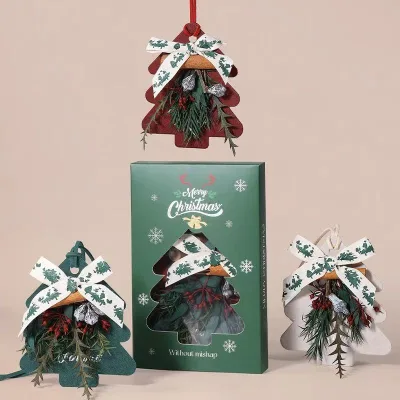
The current market landscape for scent cards reveals a diverse range of product variations, primarily categorized by material and application. Listings indicate the availability of both EVA-based gel cards and cotton paper variants, each serving different aesthetic and functional needs. The observed product types include solid air fresheners designed for hanging or placement in specific environments. Buyers should note that while many listings highlight eco-friendly features, the actual composition varies, with some products emphasizing custom fragrances like lemon, rose, or lavender, while others offer fully bespoke scent profiles.
Observed listing signals also point to significant flexibility in customization options, including custom logos, colors, and sizes. The supply ability reported by some manufacturers is substantial, indicating a mature production ecosystem capable of handling large-volume orders. However, buyers must carefully review the specific attributes of each listing, as terms like "stocked" or "customized" can have different implications for lead times and minimum order quantities. The presence of single-item selling units suggests that sampling and small-batch testing are feasible, allowing for quality assessment before committing to larger purchases.
Technical Specifications to Verify
Technical verification begins with confirming the active ingredient content, which directly impacts scent intensity and longevity. Listings show a wide range of active ingredient percentages, from 5% to over 50%, depending on the product type and intended use. Buyers must clarify whether these percentages refer to the fragrance oil concentration or other chemical components, as this affects both performance and safety. Additionally, the physical dimensions and weight of the cards should be specified, as these factors influence packaging efficiency and shipping costs.
The structural integrity and scent release mechanism are critical technical aspects to evaluate. For EVA gel cards, the consistency and porosity determine how quickly the fragrance evaporates, while cotton paper cards may rely on absorption rates. Buyers should request samples to test the scent throw in real-world conditions, such as inside a vehicle or a small office space. It is also important to verify the packaging method, as improper sealing can lead to premature scent loss or contamination during transit. Clear specifications on single package size and gross weight are essential for accurate logistics planning.
Compliance and Safety Documentation
Compliance with safety standards is paramount when sourcing products intended for indoor and vehicular use. Buyers should request documentation confirming that the active ingredients and fragrance components meet relevant chemical safety regulations in their target markets. While some listings mention certifications like FSC for paper-based products, buyers must verify the validity and scope of these certifications. It is crucial to ensure that the products do not contain harmful volatile organic compounds (VOCs) that could affect indoor air quality or cause allergic reactions.
Transparency in ingredient disclosure is another key compliance factor. Suppliers should provide a full list of ingredients, including any potential allergens, to help buyers assess risk. For products claiming to be eco-friendly, buyers should inquire about the biodegradability or recyclability of the materials used. Documentation should also cover any testing performed on the final product, such as stability tests or scent retention studies. Ensuring that all safety data sheets are up-to-date and accessible is a fundamental step in mitigating liability and ensuring consumer safety.
Cost Drivers and Commercial Terms
Cost structures for scent cards are influenced by several factors, including material choice, fragrance complexity, and order volume. The observed price range suggests that basic products are competitively priced, while customized options with unique fragrances or packaging may incur higher costs. Minimum order quantities (MOQs) vary significantly, ranging from small batches for sampling to large volumes for mass production. Buyers should negotiate terms that align with their inventory management strategy, considering the trade-off between unit price and storage costs.
Commercial terms also include payment methods and shipping arrangements. Common payment options like T/T provide flexibility but require careful management of cash flow. Shipping costs can be substantial, especially for international orders, so buyers should explore options like door-to-door international express services to streamline logistics. It is advisable to clarify who bears the responsibility for customs duties and import taxes. Understanding the total landed cost, including packaging and handling fees, is essential for accurate budgeting and profit margin calculation.
Supplier Qualification and Quality Control
Supplier qualification involves assessing manufacturing capabilities, quality control processes, and customer service responsiveness. Buyers should verify the supplier’s experience in producing scent cards and their ability to handle OEM and ODM requests. A robust quality control system should include raw material inspection, in-process monitoring, and final product testing. Suppliers with high supply abilities should demonstrate consistent production capacity and reliable delivery records.
Establishing clear quality standards is crucial for maintaining product consistency. Buyers should define acceptable ranges for scent intensity, color accuracy, and physical dimensions. Regular audits or third-party inspections can help ensure that production meets these standards. Communication channels should be open and responsive, allowing for quick resolution of any issues that arise during production or delivery. Building a strong relationship with the supplier can lead to better pricing, priority production, and improved support for future projects.
Long-Term Procurement Checks
Long-term procurement success depends on continuous monitoring of supplier performance and market trends. Buyers should regularly review supplier metrics, such as on-time delivery rates, defect rates, and responsiveness to inquiries. Periodic re-evaluation of product quality and compliance documentation is necessary to ensure ongoing adherence to safety and environmental standards. Staying informed about changes in regulations or consumer preferences can help buyers adapt their sourcing strategies proactively.
Developing a diversified supplier base can mitigate risks associated with single-source dependency. Buyers should explore opportunities to work with multiple suppliers to ensure supply chain resilience. Regular feedback loops with internal stakeholders, such as marketing and sales teams, can provide valuable insights into product performance and customer satisfaction. By maintaining a strategic approach to sourcing, buyers can optimize costs, ensure quality, and support their brand’s sustainability goals over the long term.
FAQs
What materials are used for eco friendly scent cards?
Eco friendly scent cards are typically made from EVA or cotton paper. These materials support customization while maintaining an eco-friendly profile. The active ingredient content varies between 5% and 50% depending on the specific product design and intended fragrance strength for home or car use.
Can I customize the fragrance and color of these cards?
Yes, you can customize both the fragrance and color of the scent cards. Suppliers offer options like lemon, rose, or vanilla, alongside fully custom scents. Colors are also customizable, allowing you to match your brand identity while ensuring the product remains eco-friendly and suitable for various environments.
What is the minimum order quantity for these products?
The minimum order quantity varies by supplier, ranging from 1000 to 3000 pieces. Some listings indicate a specific MOQ of 1000 pieces, while others may require 2000 or 3000 units. Buyers should verify the exact requirement with the manufacturer before placing an order to ensure it meets their procurement needs.
Where are these scent cards manufactured and shipped from?
These scent cards are manufactured in Guangdong, China, and shipped from the port of Shenzhen. The supply ability is high, with some manufacturers capable of producing nearly one billion pieces per month. This location ensures efficient logistics for international buyers seeking reliable sourcing for their air freshener needs.
How are the scent cards packaged for international shipping?
The scent cards are packaged in OPP bags with heat sealing to ensure protection during transit. Each single package size is approximately 30 by 30 by 20 centimeters. This packaging method helps maintain the integrity of the product while keeping the gross weight low, facilitating cost-effective international shipping solutions.
Do these products support OEM and ODM services?
Yes, these products fully support both OEM and ODM services for buyers. Manufacturers allow for custom logos, sizes, and designs to meet specific brand requirements. This flexibility enables businesses to create unique air freshener solutions tailored to their market while leveraging the high supply capacity of the production facilities.
What are the primary uses for these air freshener cards?
These air freshener cards are designed for use in cars, offices, and homes. They function as effective smell removers and aroma dispensers. The solid shape and hanging string style make them versatile for various settings, ensuring a pleasant environment while adhering to eco-friendly standards for sustainable air freshening solutions.